New Scientist - 5 Feb 2025 23:20

A temporary loss of access to key datasets on levels of CO2 in the atmosphere added to concern about the potential fallout of the Trump administration's attacks on climate science
Phys.org - 5 Feb 2025 22:50

A recent study led by quantum researchers at the Department of Energy's Oak Ridge National Laboratory proved popular among the science community interested in building a more reliable quantum network.
Phys.org - 5 Feb 2025 21:45

Can copper be turned into gold? For centuries, alchemists pursued this dream, unaware that such a transformation requires a nuclear reaction. In contrast, graphite--the material found in pencil tips--and diamond are both...
New Scientist - 5 Feb 2025 20:00

Filippo Tommaso Marinetti coined the word futurism in 1909, going on to take an extreme rightward swerve into politics. This way of thinking about the future still influences us today, says Annalee Newitz
New Scientist - 5 Feb 2025 20:00

A driven teenager up nights working on computer schemes. Could this be Bill Gates? Chris Stokel-Walker reads the much anticipated story of the billionaires's early years, as told by the man himself
New Scientist - 5 Feb 2025 20:00

Feedback digs into the first peer-reviewed paper from the Game of Thrones author, and concludes that he may have picked the wrong fictional universe to analyse
New Scientist - 5 Feb 2025 20:00

Increasing numbers of people believe Earth has probably been visited by aliens. That's a societal problem, says Tony Milligan
New Scientist - 5 Feb 2025 20:00

Winning images from the 2025 Walk of Water photo competition showcase vanishing frozen landscapes, from sparkling ice caves to melting glaciers
New Scientist - 5 Feb 2025 20:00

The Chinese firm threatens the dominance of Silicon Valley's AI elite, and its innovations show the technology could be more affordable and less costly to the environment
Phys.org - 5 Feb 2025 19:40

The study of 'starquakes' (like earthquakes, but in stars) promises to give us important new insights into the properties of neutron stars (the collapsed remnants of massive stars), according to new research led by the U...
Phys.org - 5 Feb 2025 19:40

Quantum spin liquids (QSLs) are fascinating and mysterious states of matter that have intrigued scientists for decades. First proposed by Nobel laureate Philip Anderson in the 1970s, these materials break the conventiona...
Live Science - 5 Feb 2025 19:33

Neurons found in one of the oldest regions of the brain may control when we stop eating a meal, new research in mice hints.
Live Science - 5 Feb 2025 19:15

Learn the common warning signs of a stroke, which are essential to recognize to ensure a person gets prompt treatment.
Live Science - 5 Feb 2025 19:04
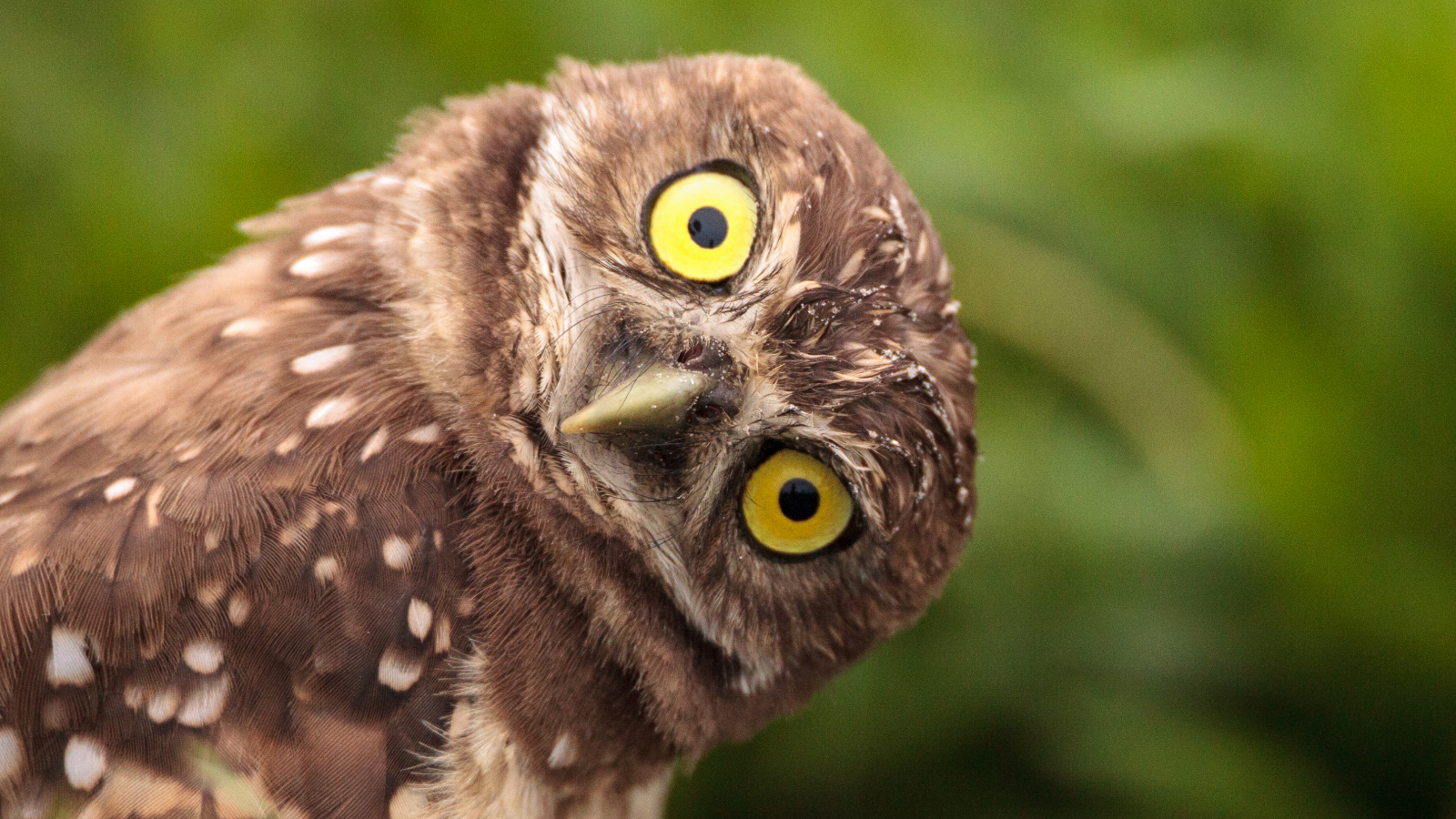
How much do you know about the animals we share the planet with? Take our quiz to find out!
Live Science - 5 Feb 2025 18:54
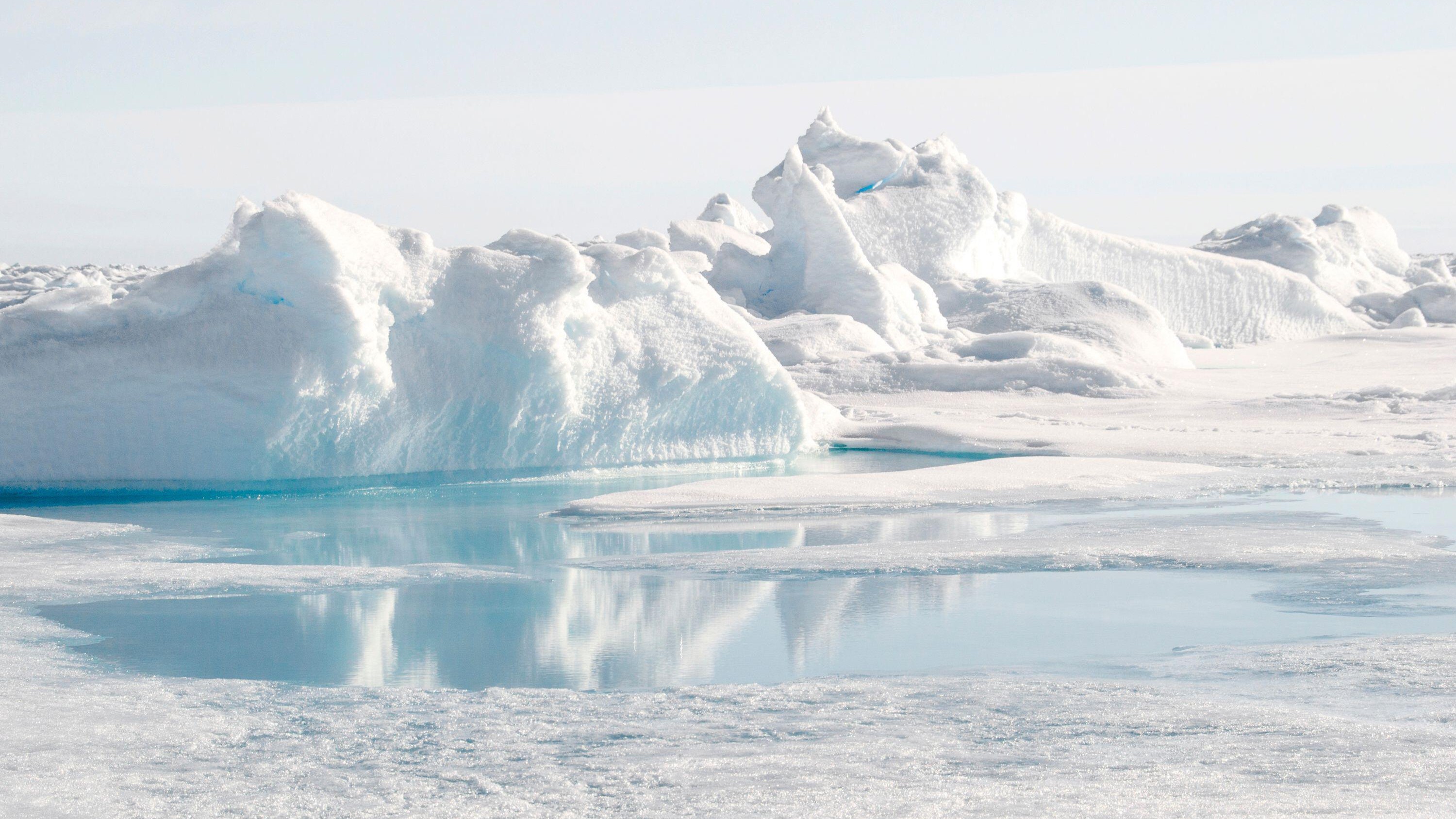
The North Pole was above freezing on Sunday after an extreme winter warming event caused temperatures to climb more than 36 F (20 C) in the high Arctic.
Live Science - 5 Feb 2025 18:48
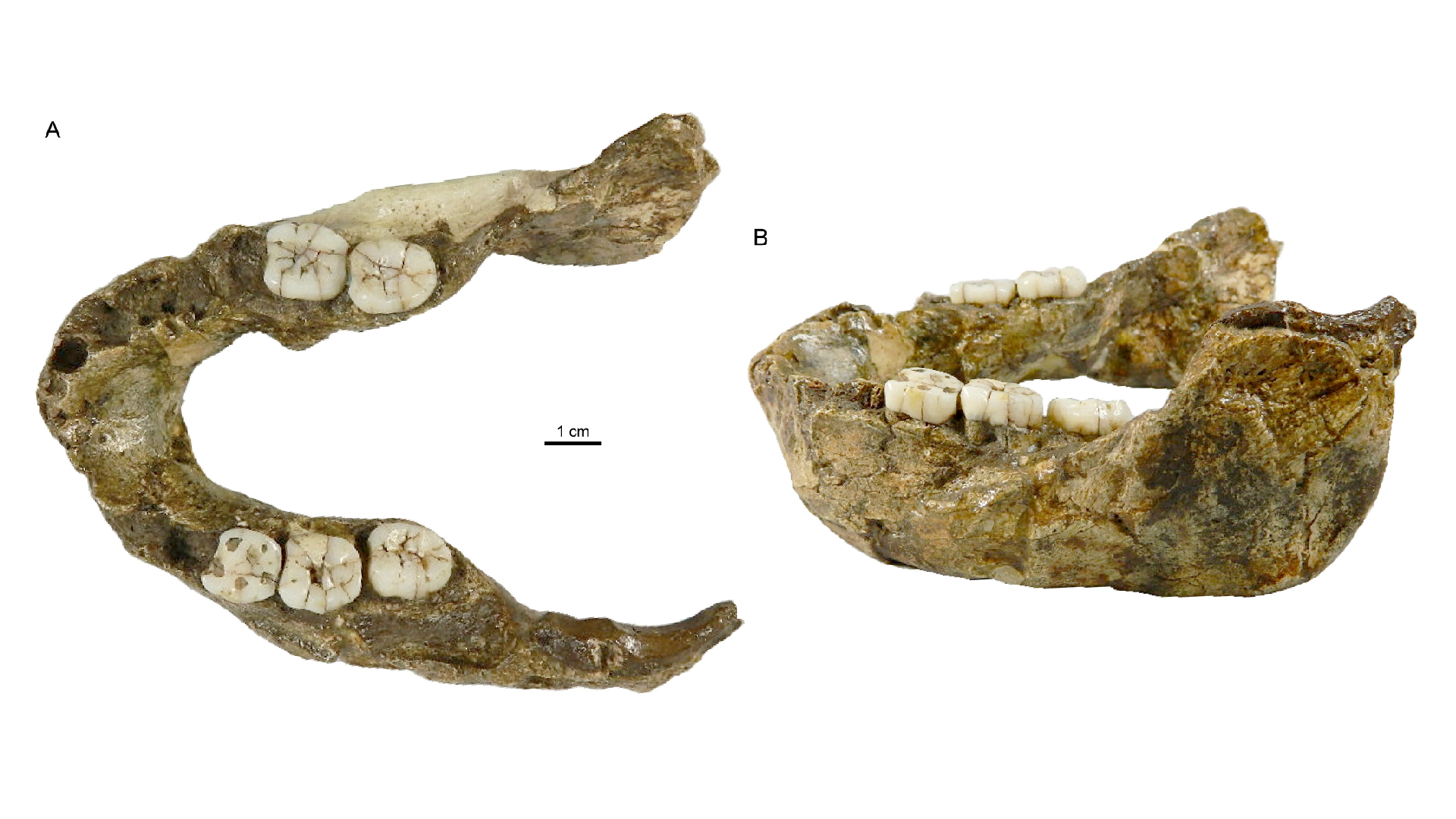
The newfound species belongs to the genus Paranthropus, whose nickname is "nutcracker man."
Phys.org - 5 Feb 2025 18:29

Researchers have made a significant step in the study of a new class of high-temperature superconductors: creating superconductors that work at room pressure. That advance lays the groundwork for deeper exploration of th...
New Scientist - 5 Feb 2025 18:00

A huge study of ancient DNA reveals the origins of the Yamna, who spread across Eurasia around 5000 years ago, showing they came from a mixing of populations north of the Black Sea
Live Science - 5 Feb 2025 18:00
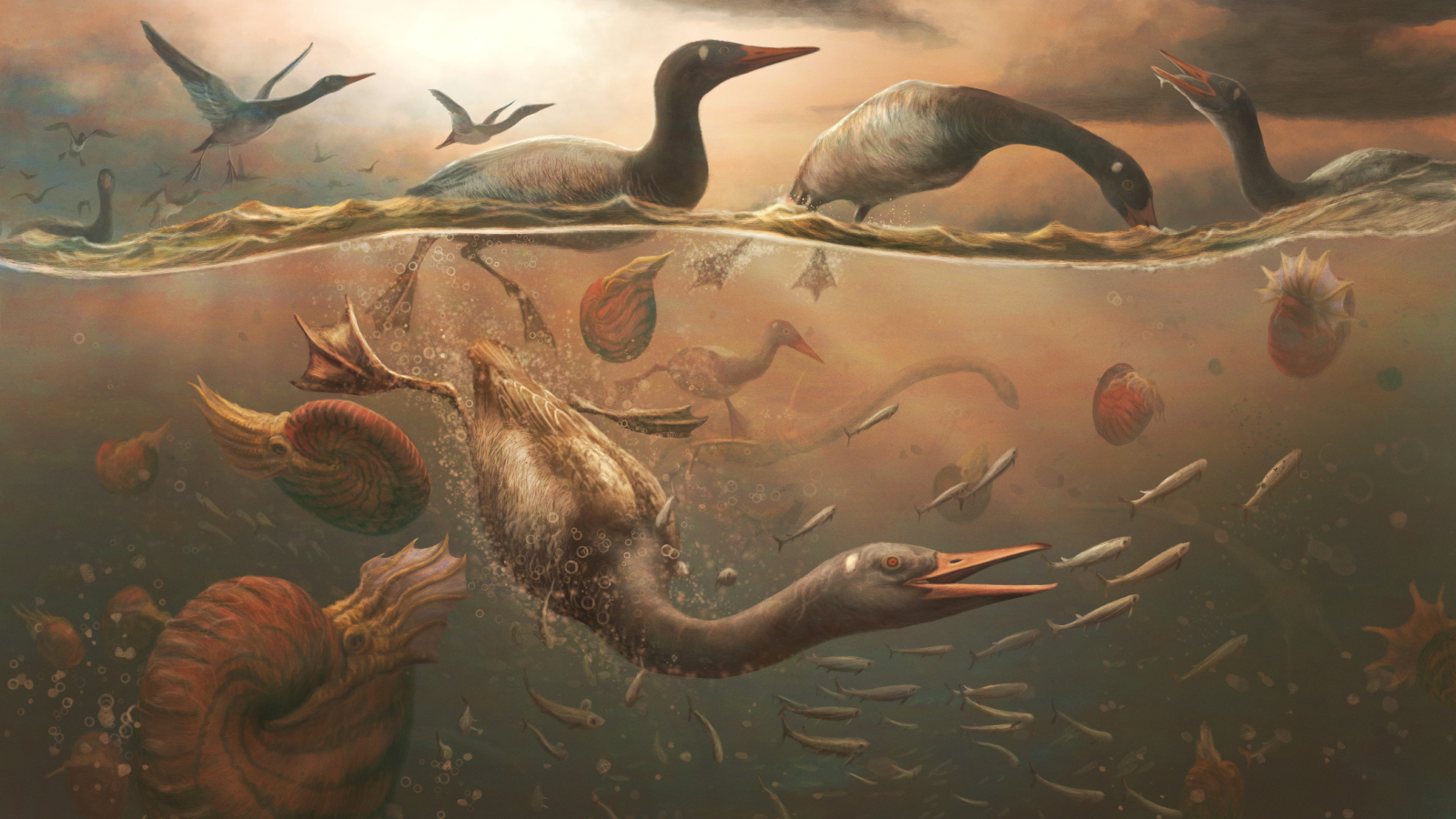
A new and nearly complete skull of Vegavis iaai discovered in Antarctica suggests that modern birds originated before the end-Cretaceous mass extinction.
New Scientist - 5 Feb 2025 18:00

Mice have neurons that can be controlled to stop them eating - and people probably have them too
New Scientist - 5 Feb 2025 18:00

A newly analysed fossil skull settles a palaeontological debate over Vegavis iaai, confirming it as a relative of ducks and geese that lived 69 million years ago
New Scientist - 5 Feb 2025 18:00

Two-thirds of US cannabis is grown indoors, requiring lights and temperature control that produce a vast amounts of emissions
 American
Science News for 5 February 2025
American
Science News for 5 February 2025
 Global
 Great Britain
 Indian
 South Africa